
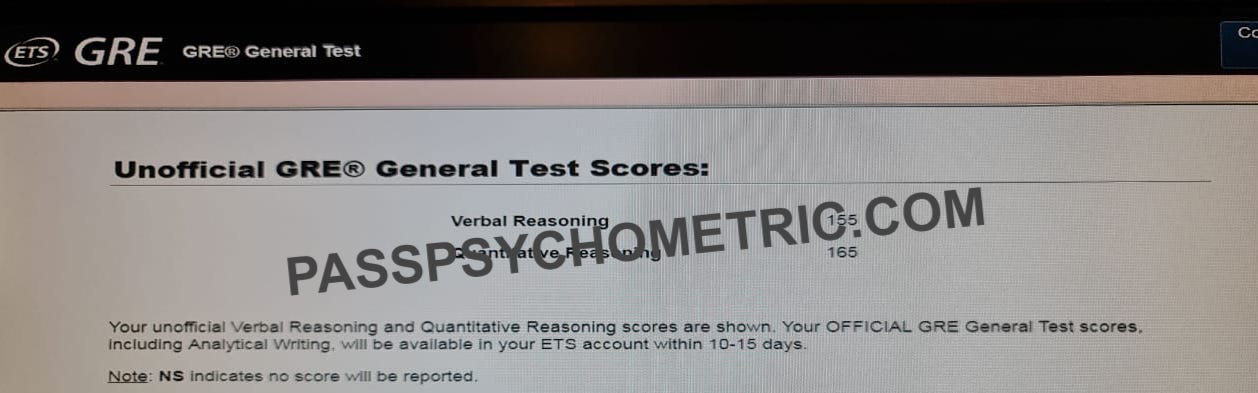
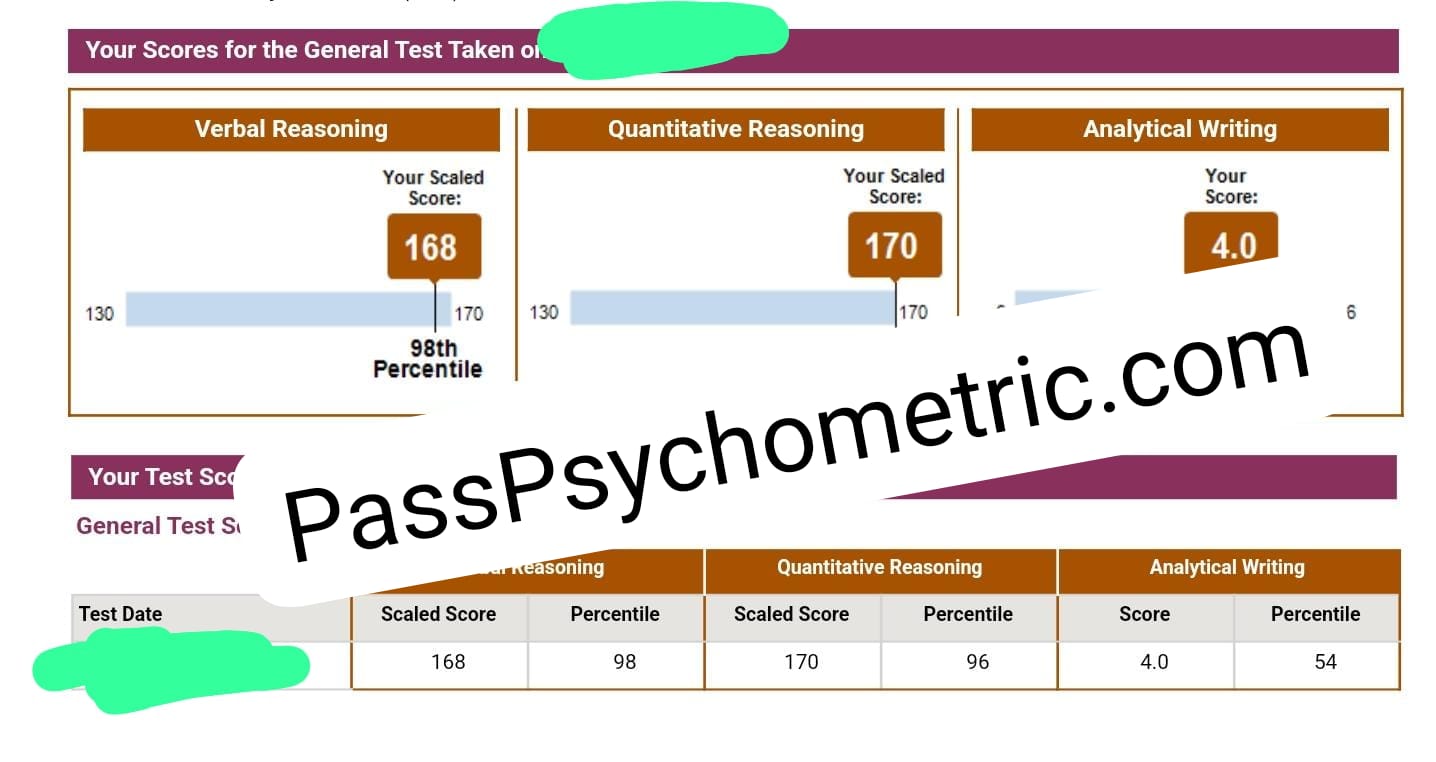
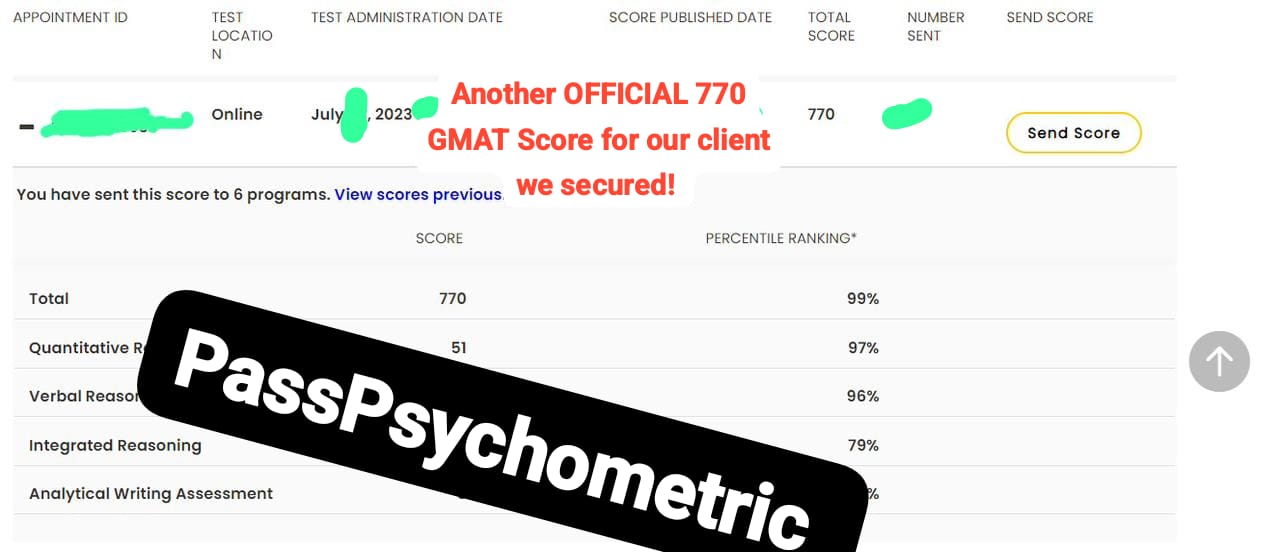
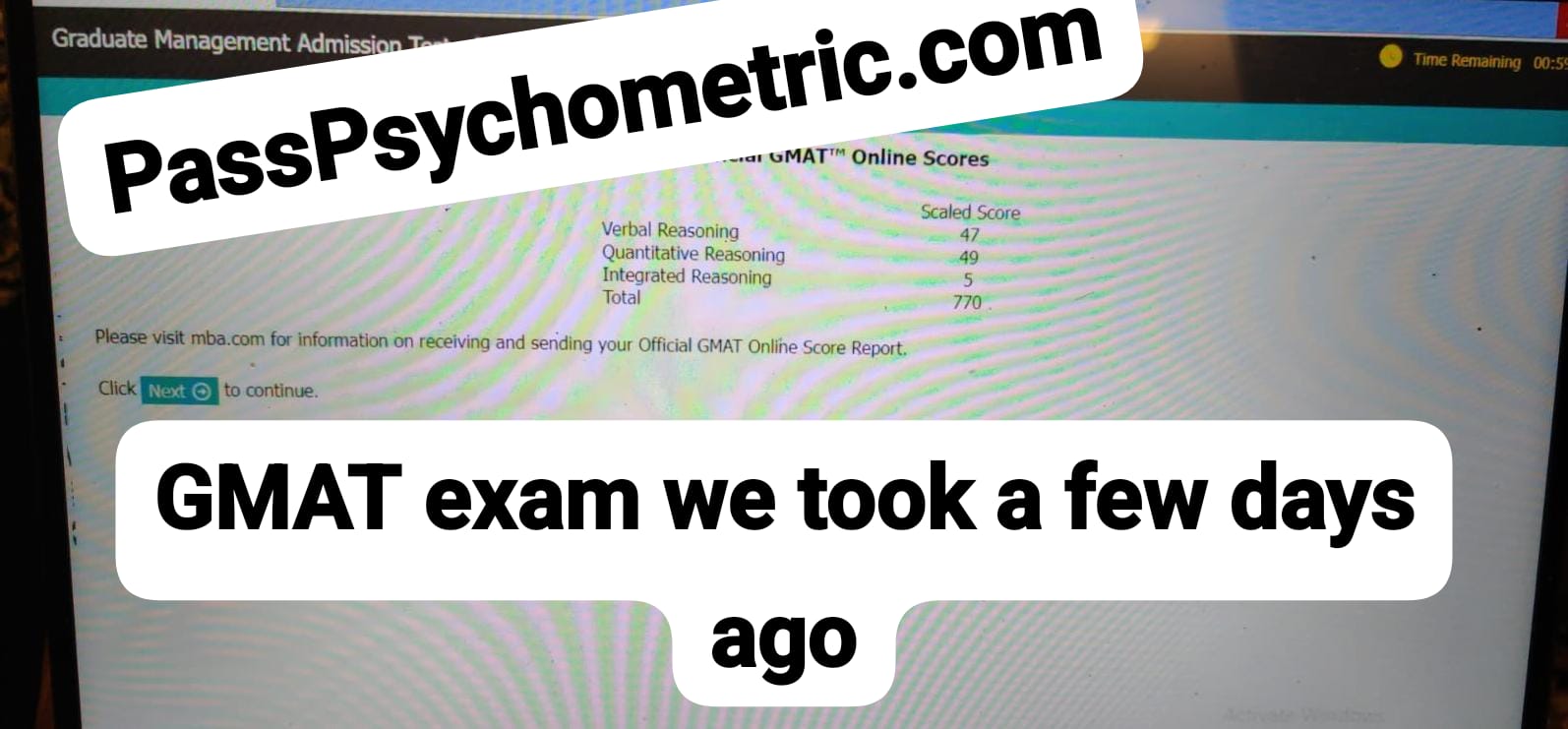
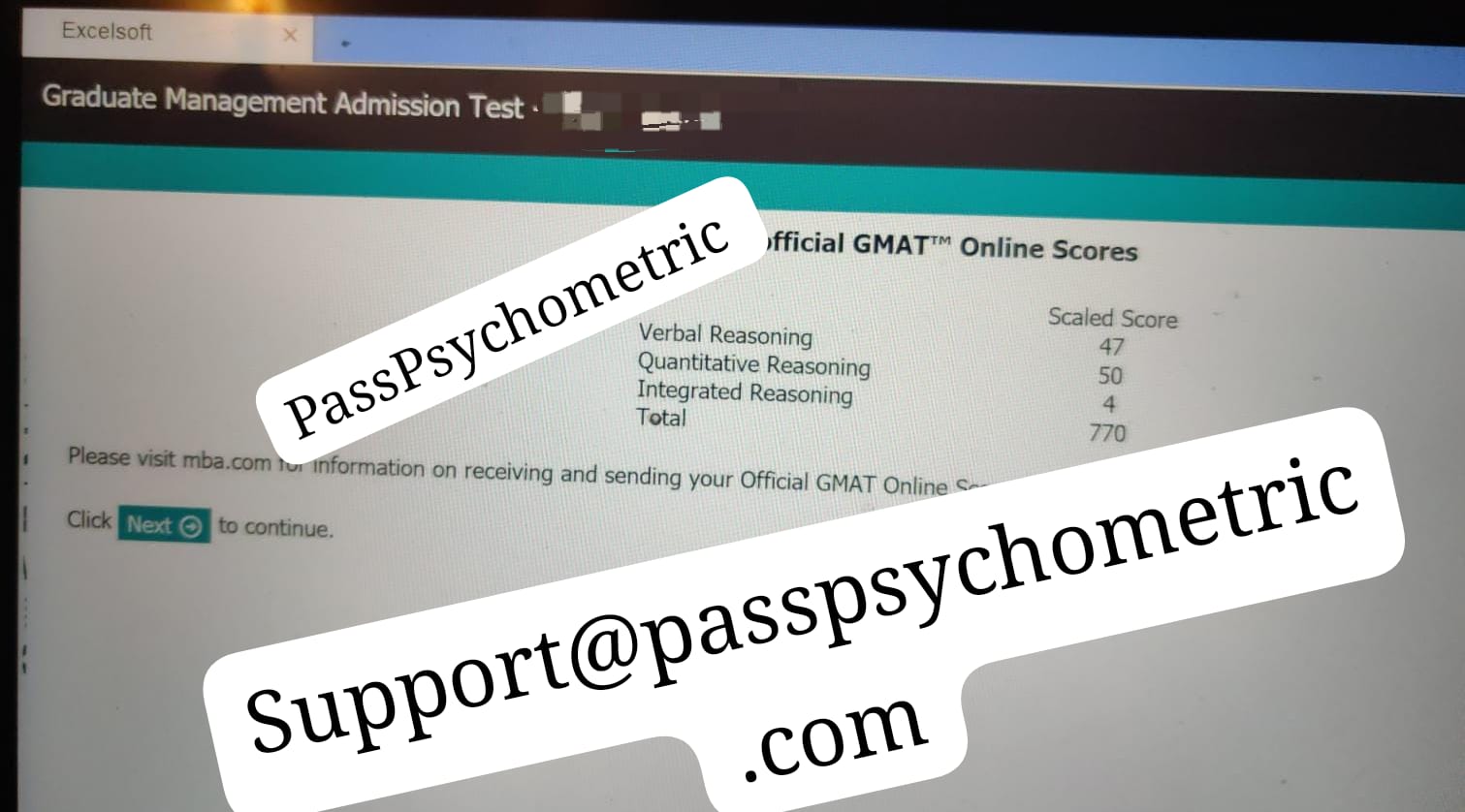
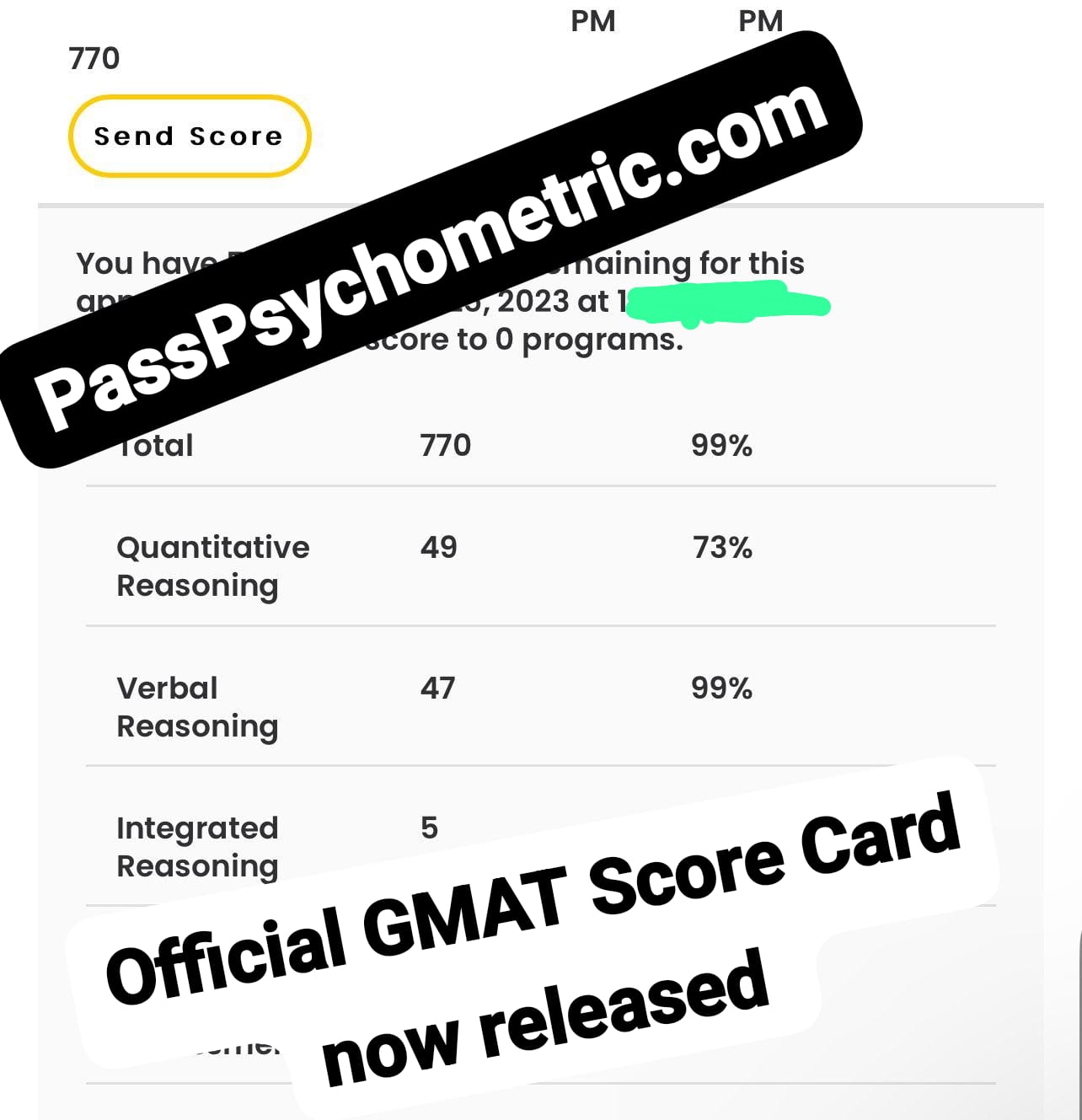
GMAT Quantitative, Score 49
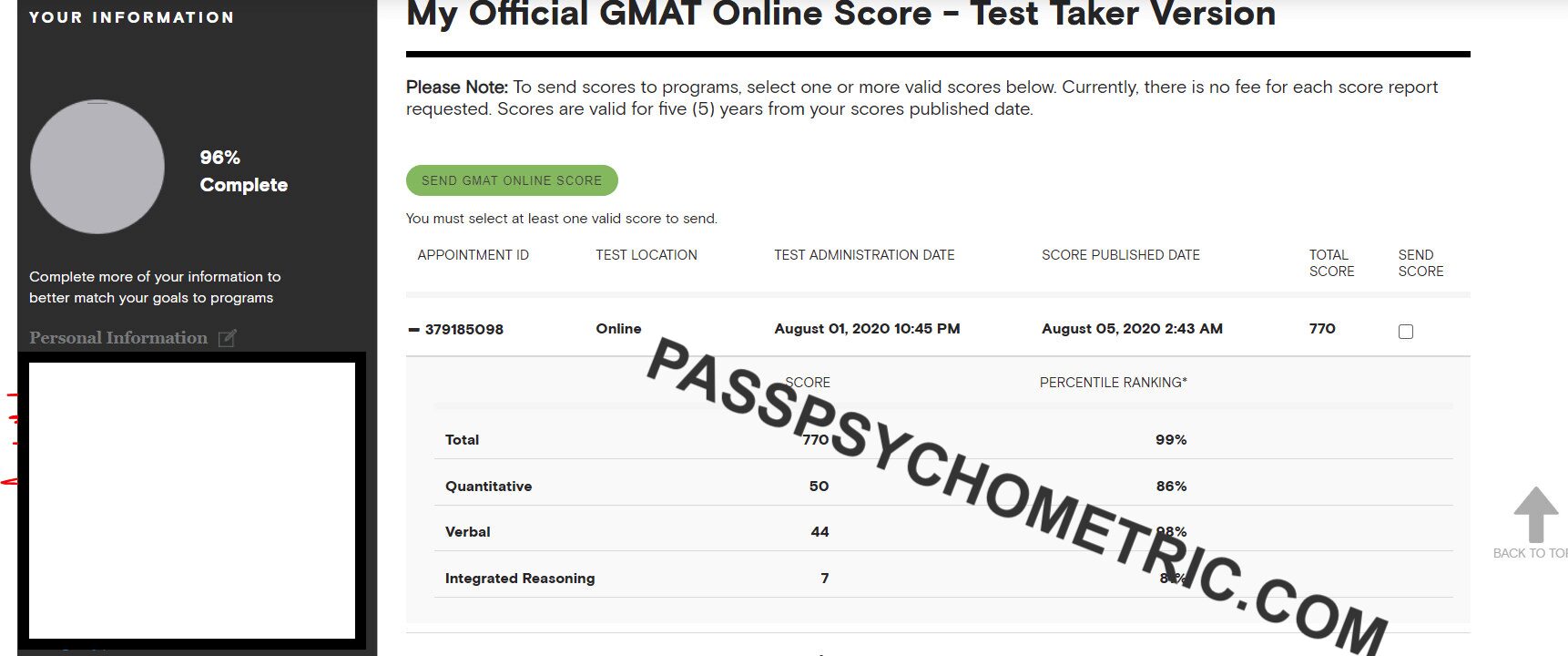
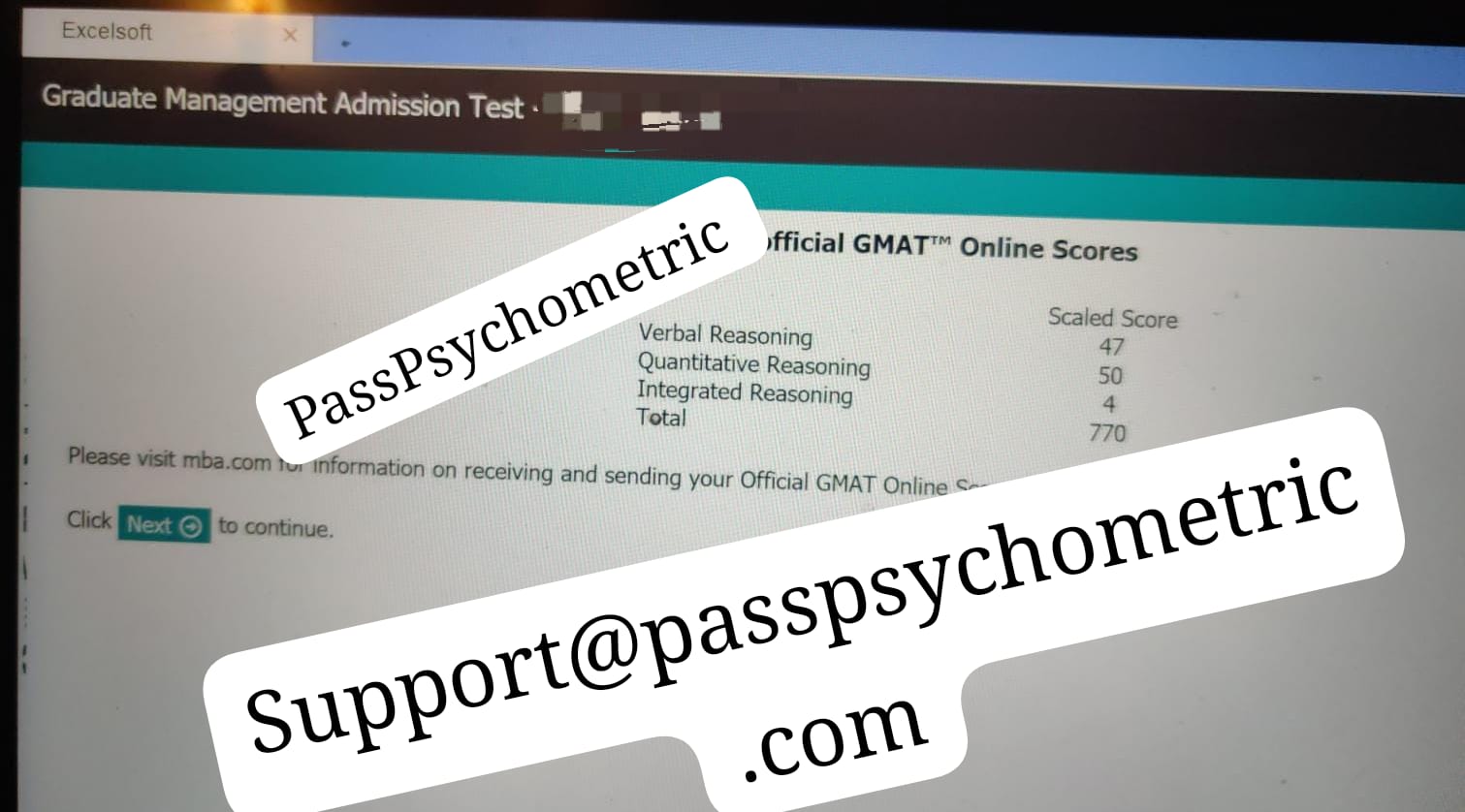
GMAT Quantitative, Score 50
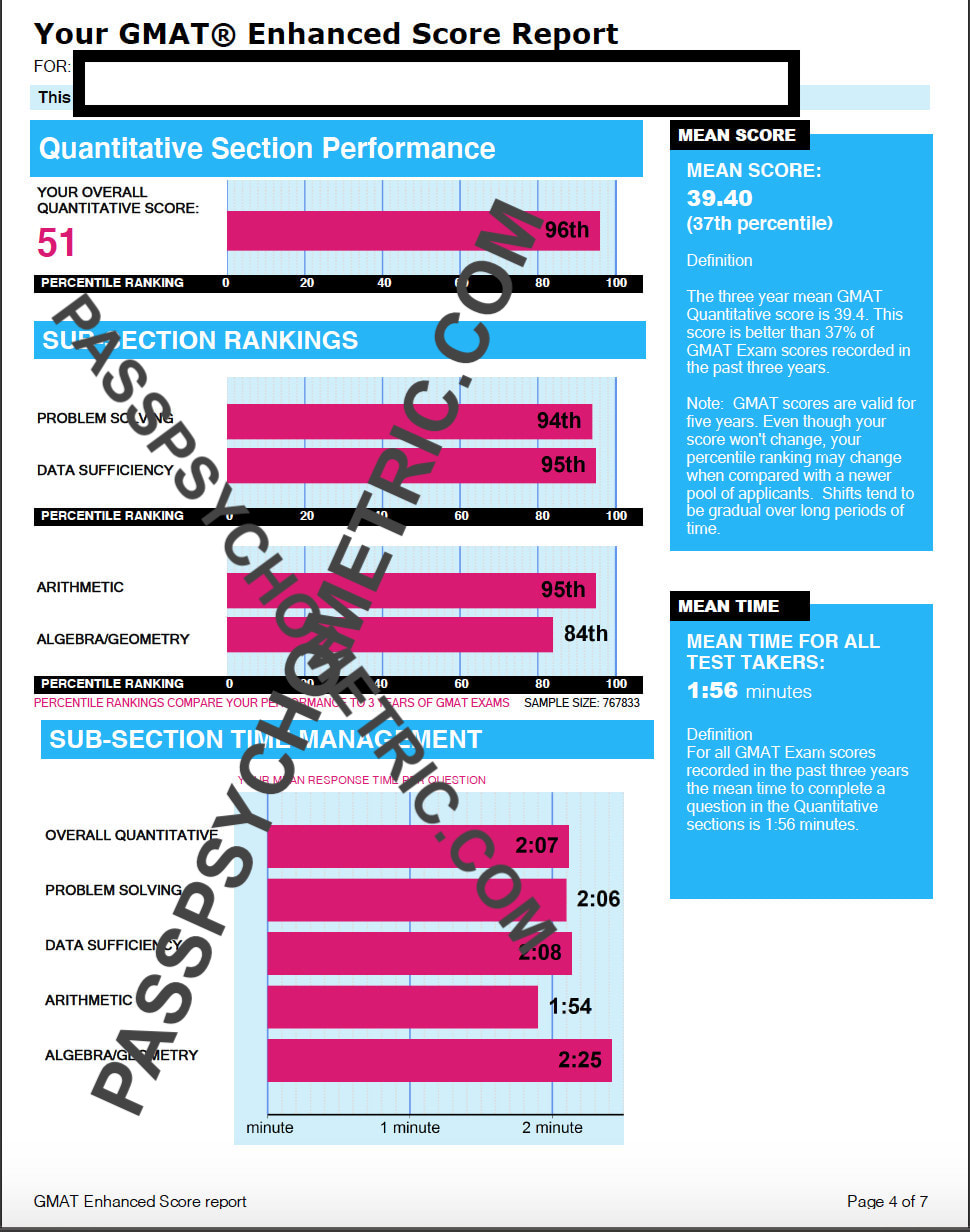
GMAT Quantitative, Score 51!

Does a High GMAT Quantitative (Math)Test score matter?
Oxford University
Cambridge University
MIT University
Columbia University
Harvard University
Stamford University
So why not Hire PassPsychometric Today to help you pass the GMAT Quantitative (Math)
Cracking the GMAT Quantitative (Math)
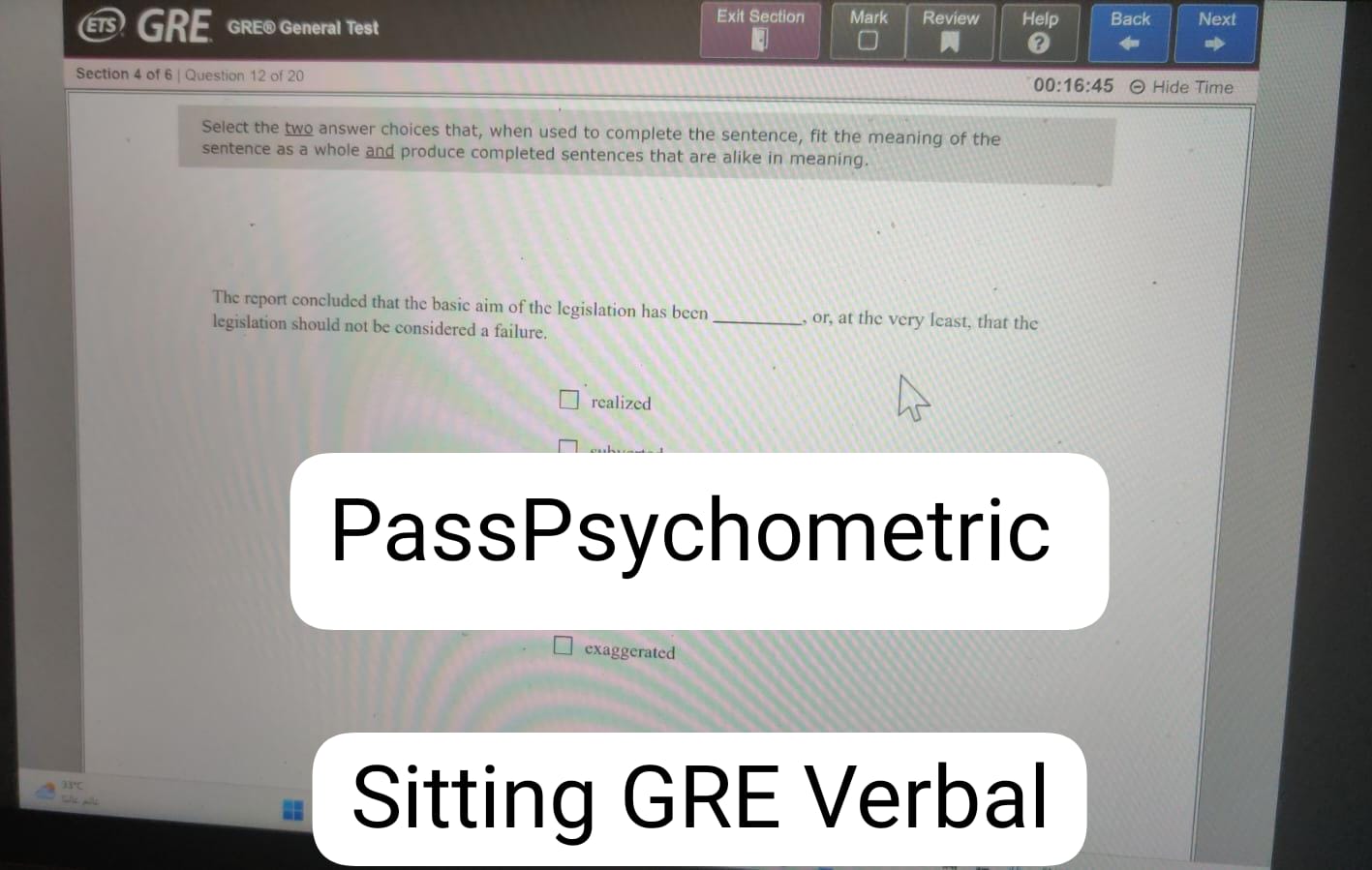

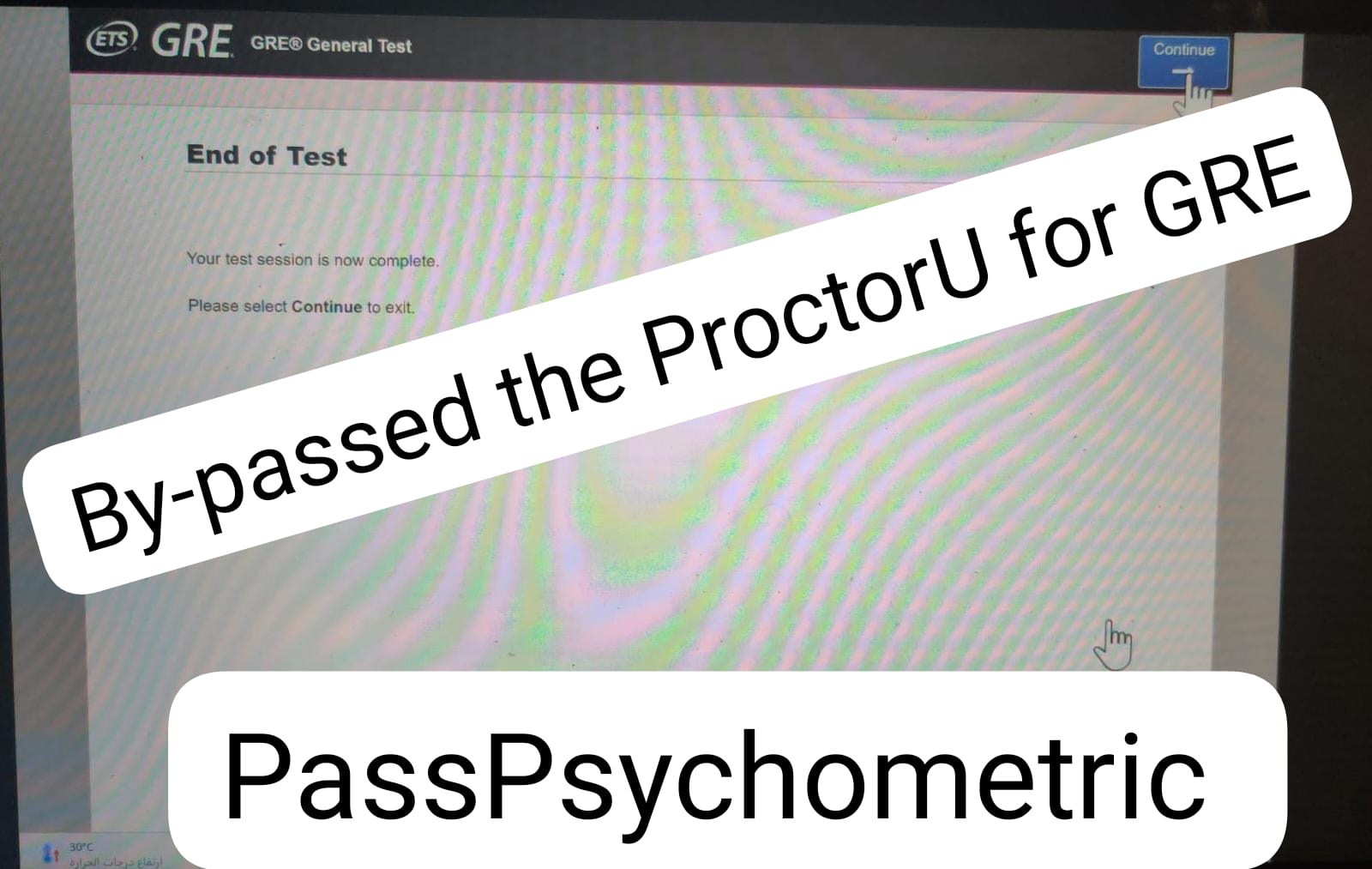
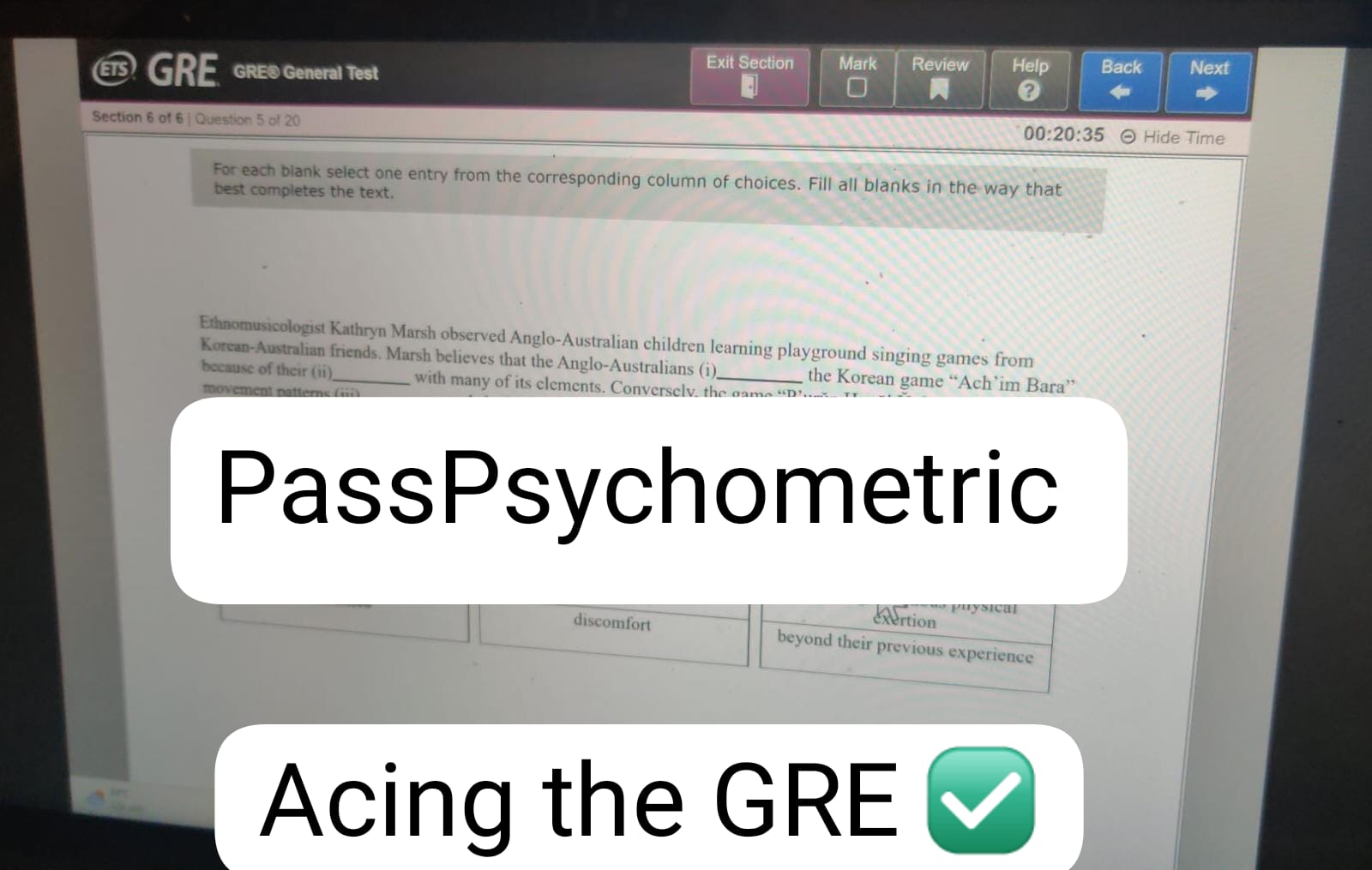
GMAT Quantitative (Math) Pass Mark
Ways to pass the GMAT Quantitative (Math) Test
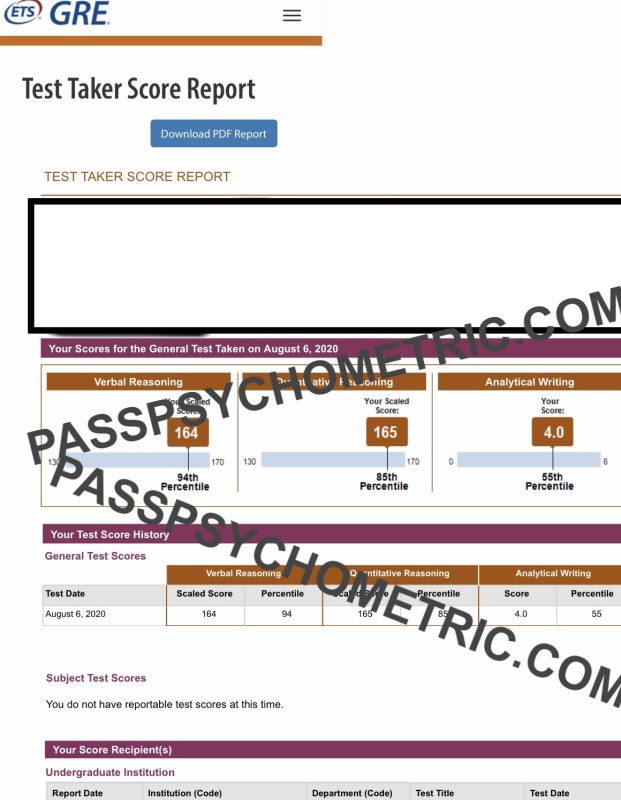
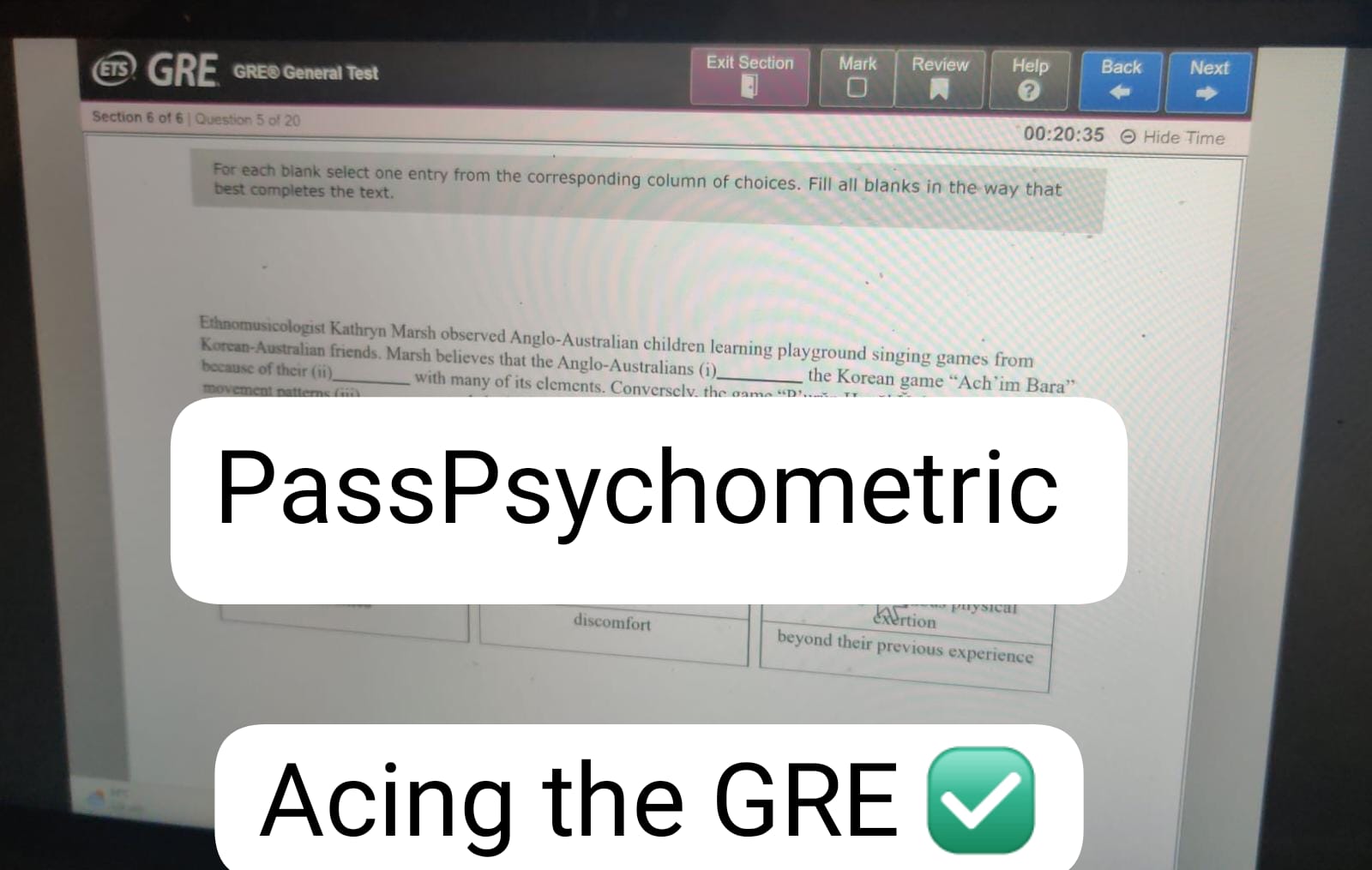
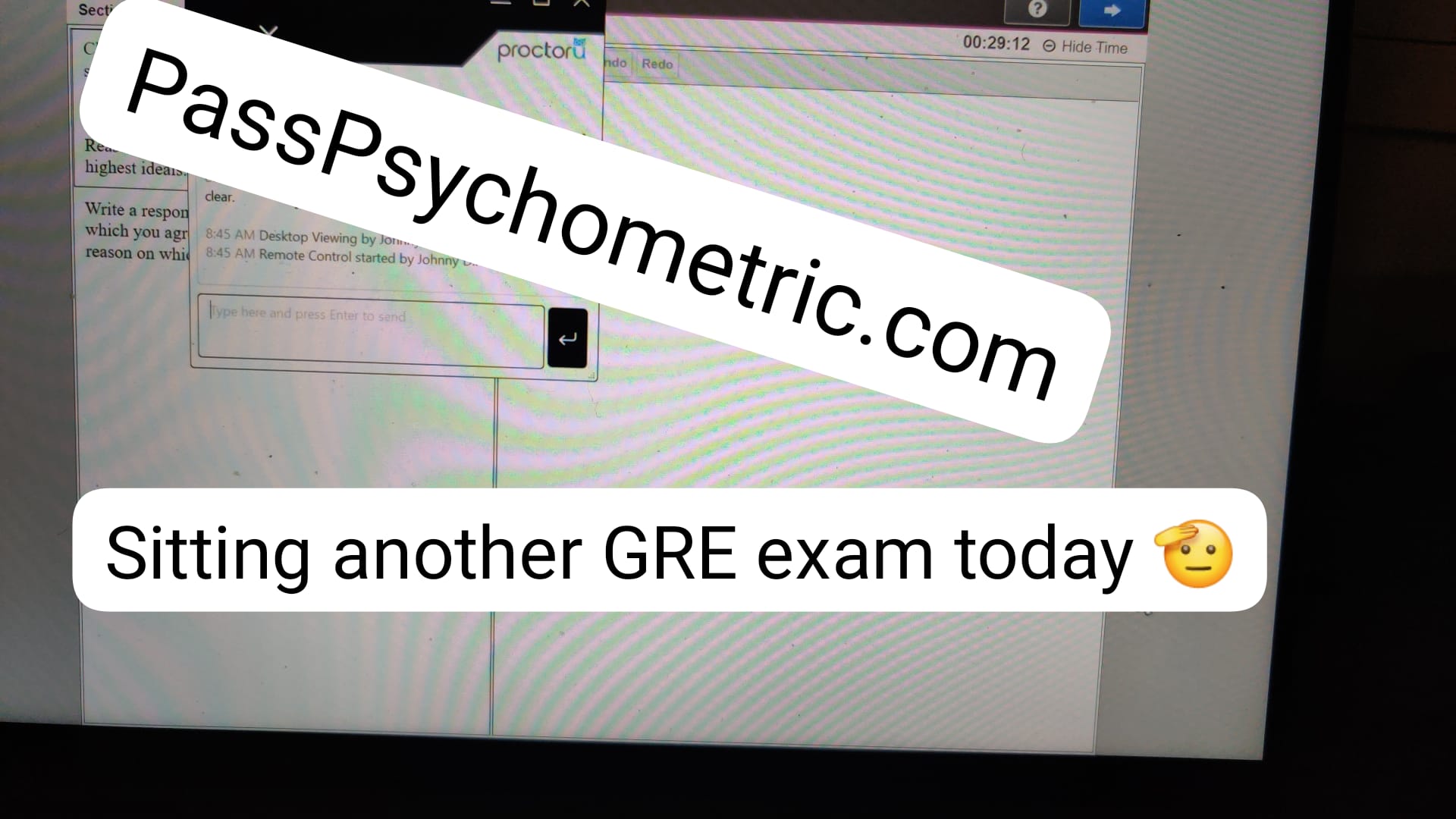
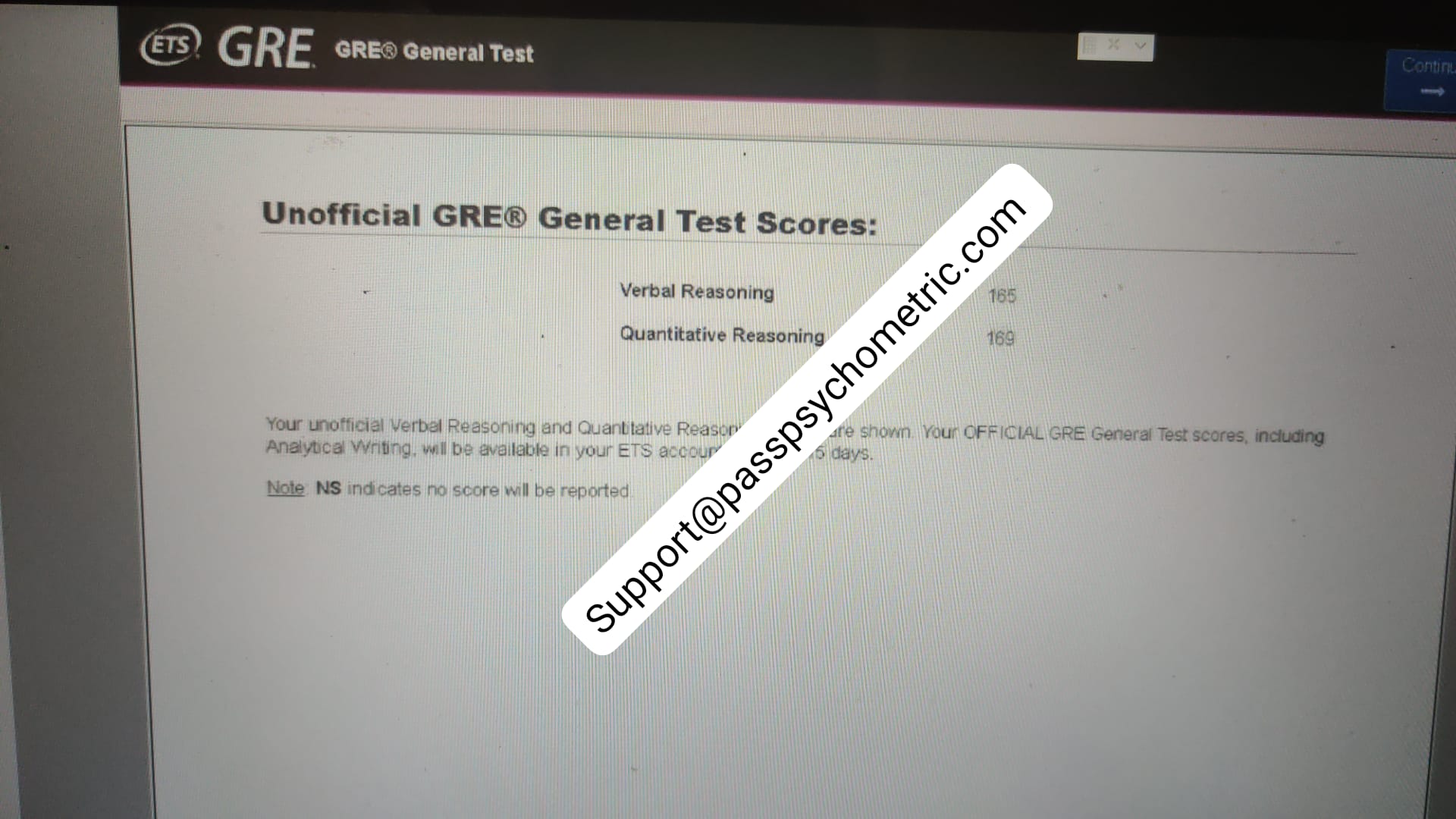
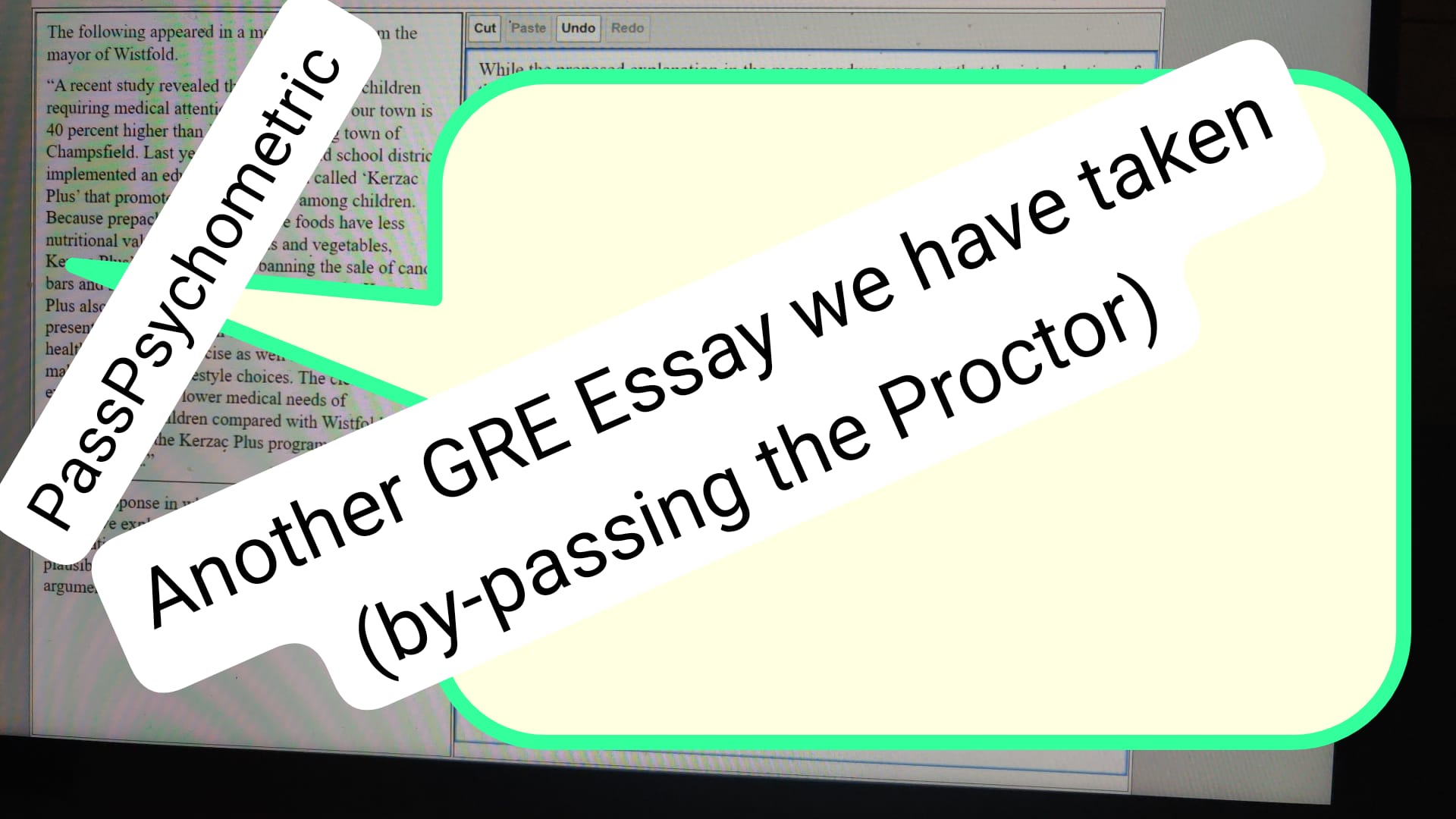
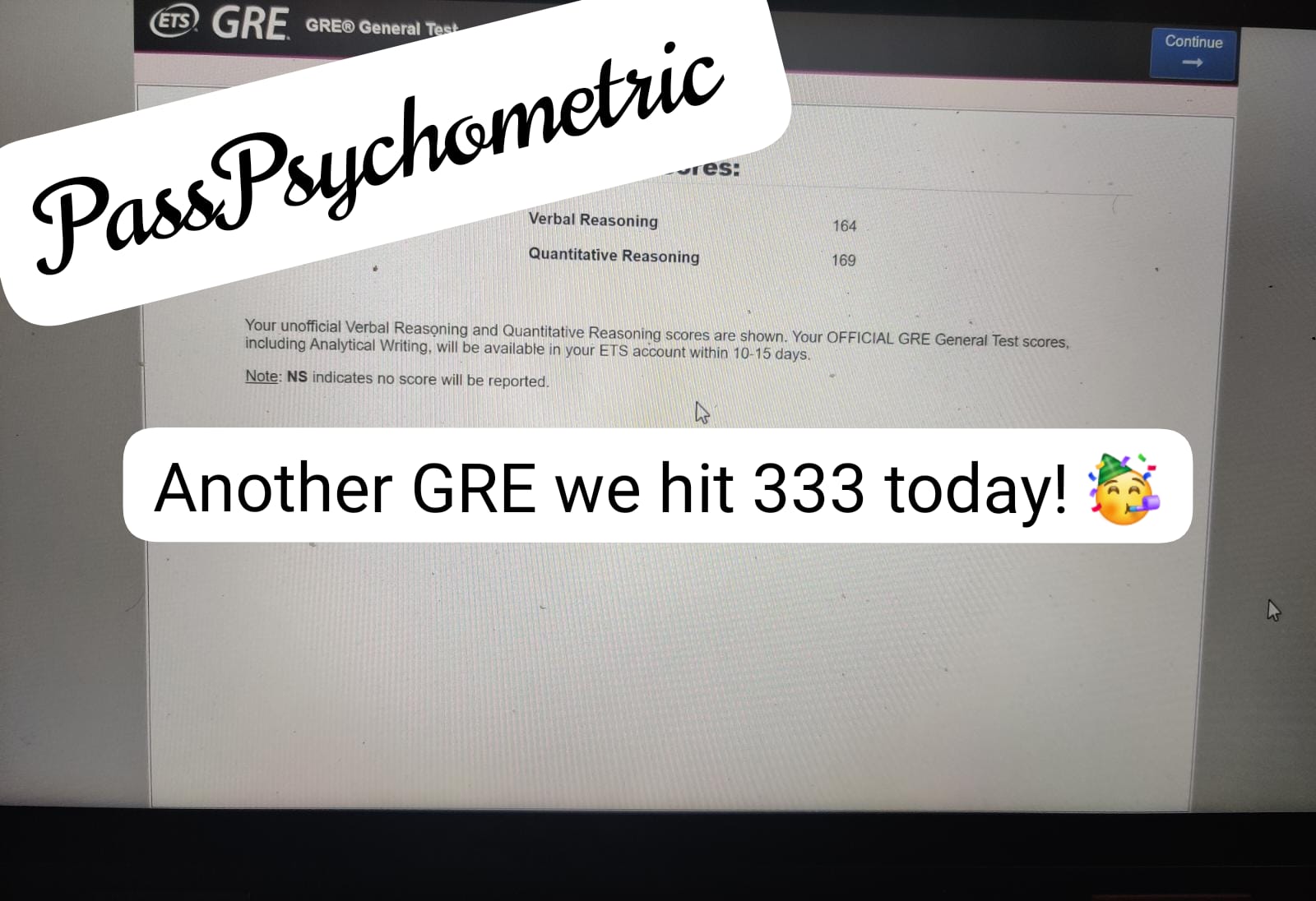
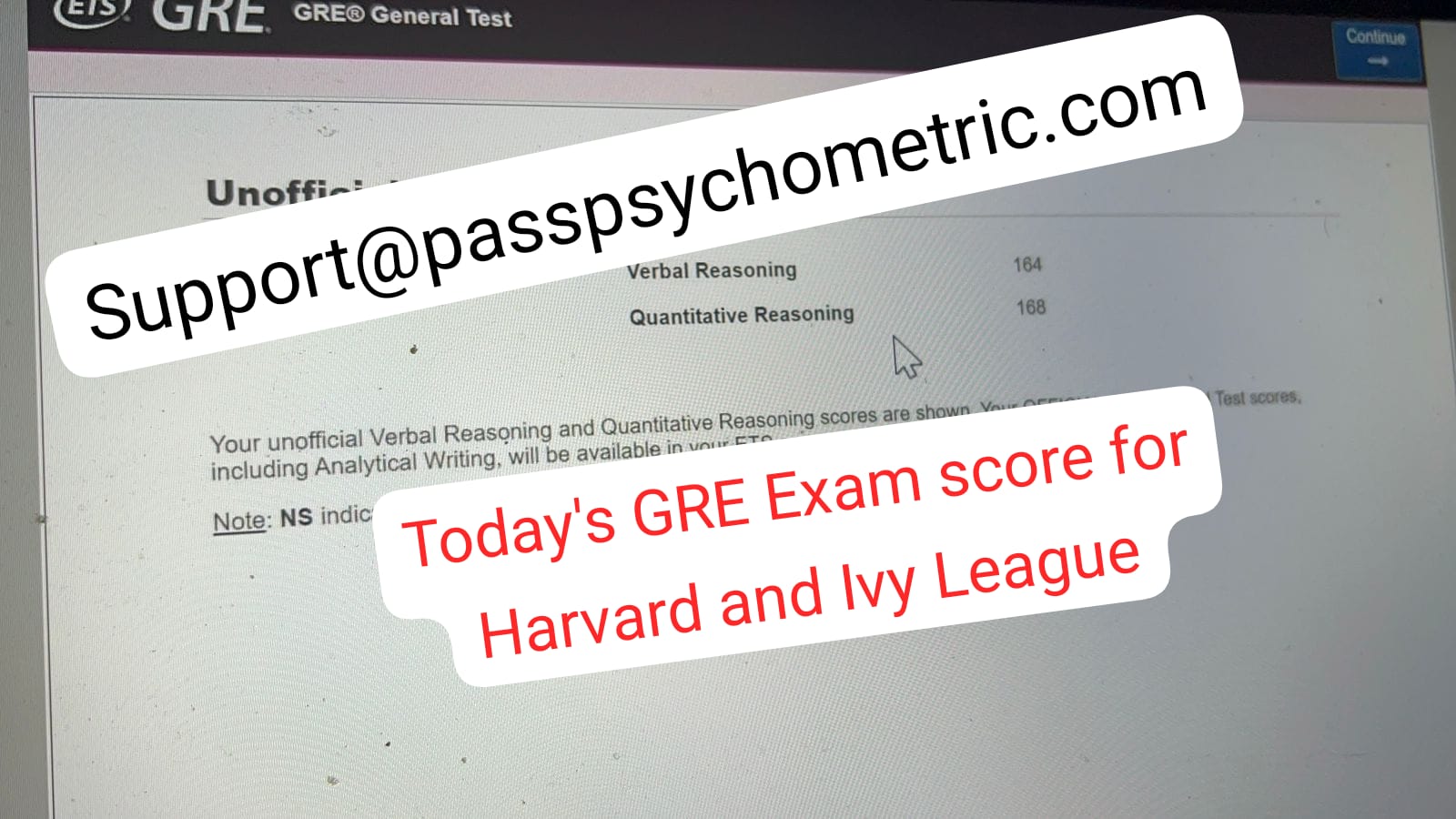
What proof is there that PassPsychometric can sit my Proctored Exam?




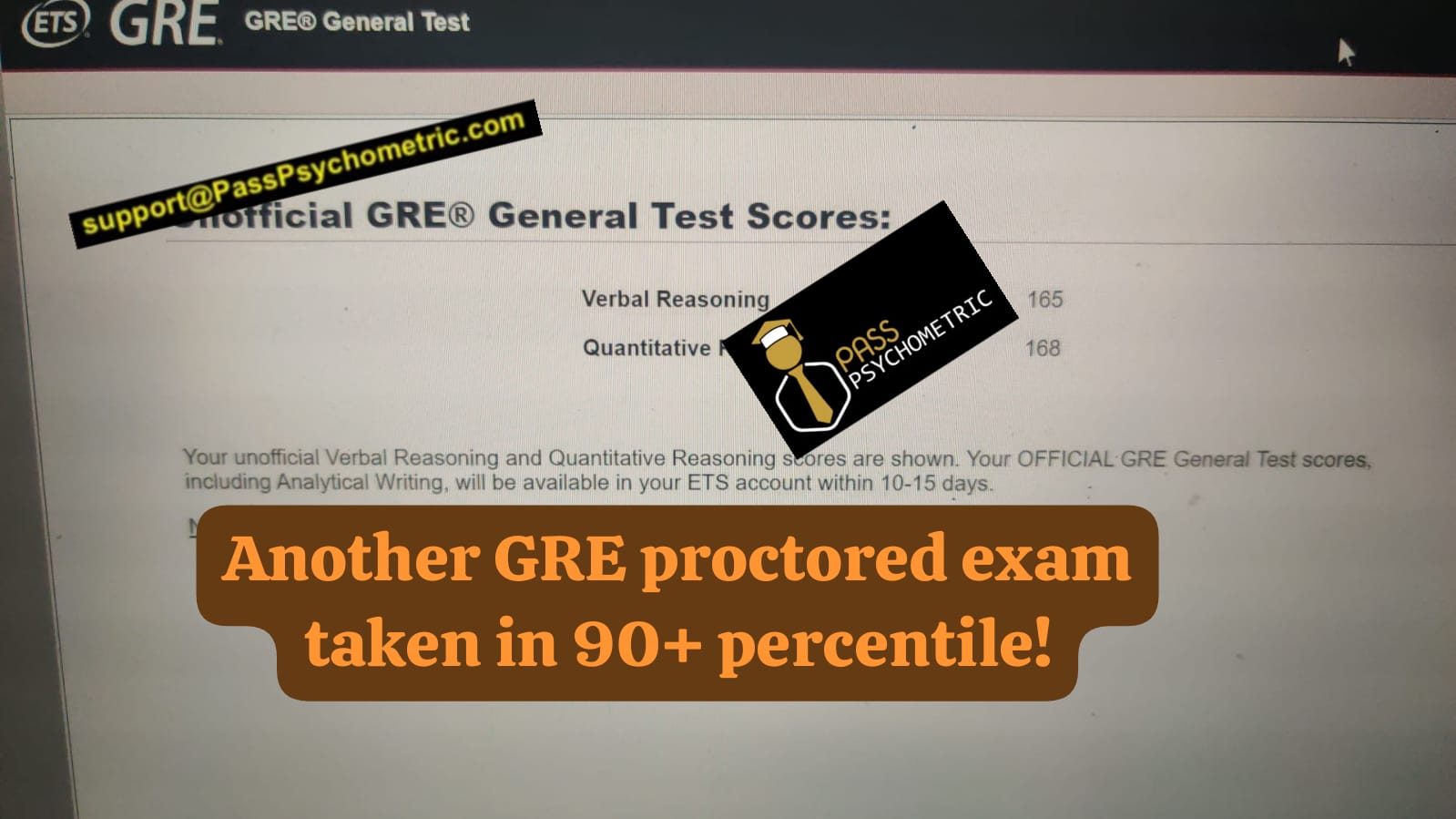


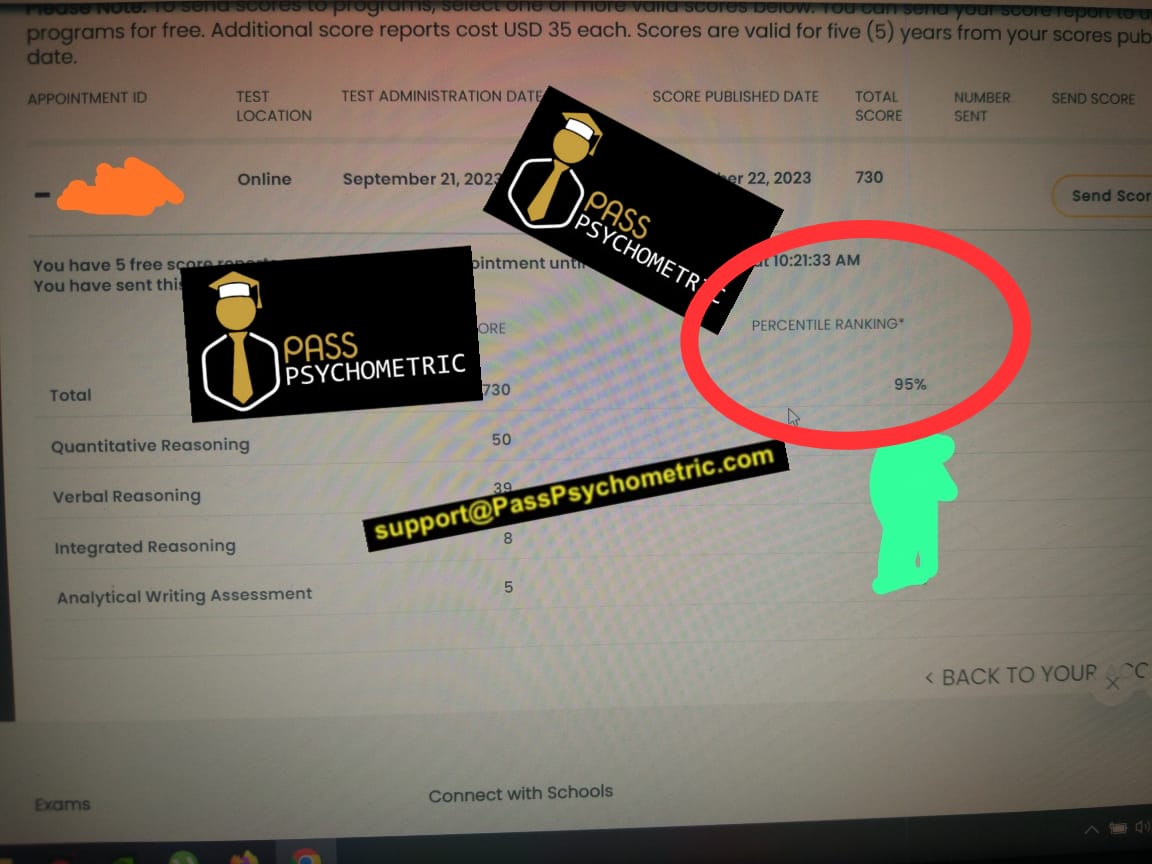
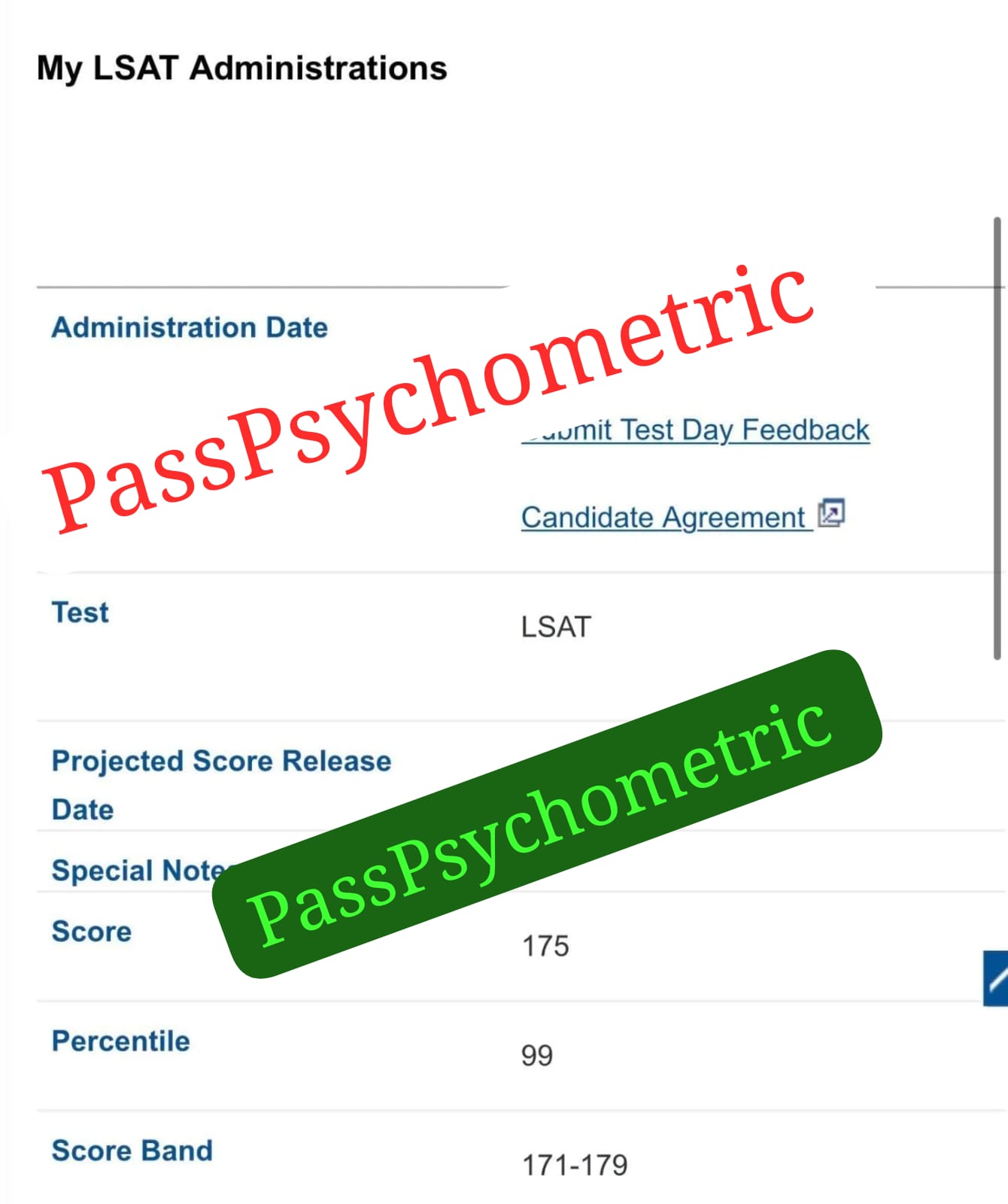
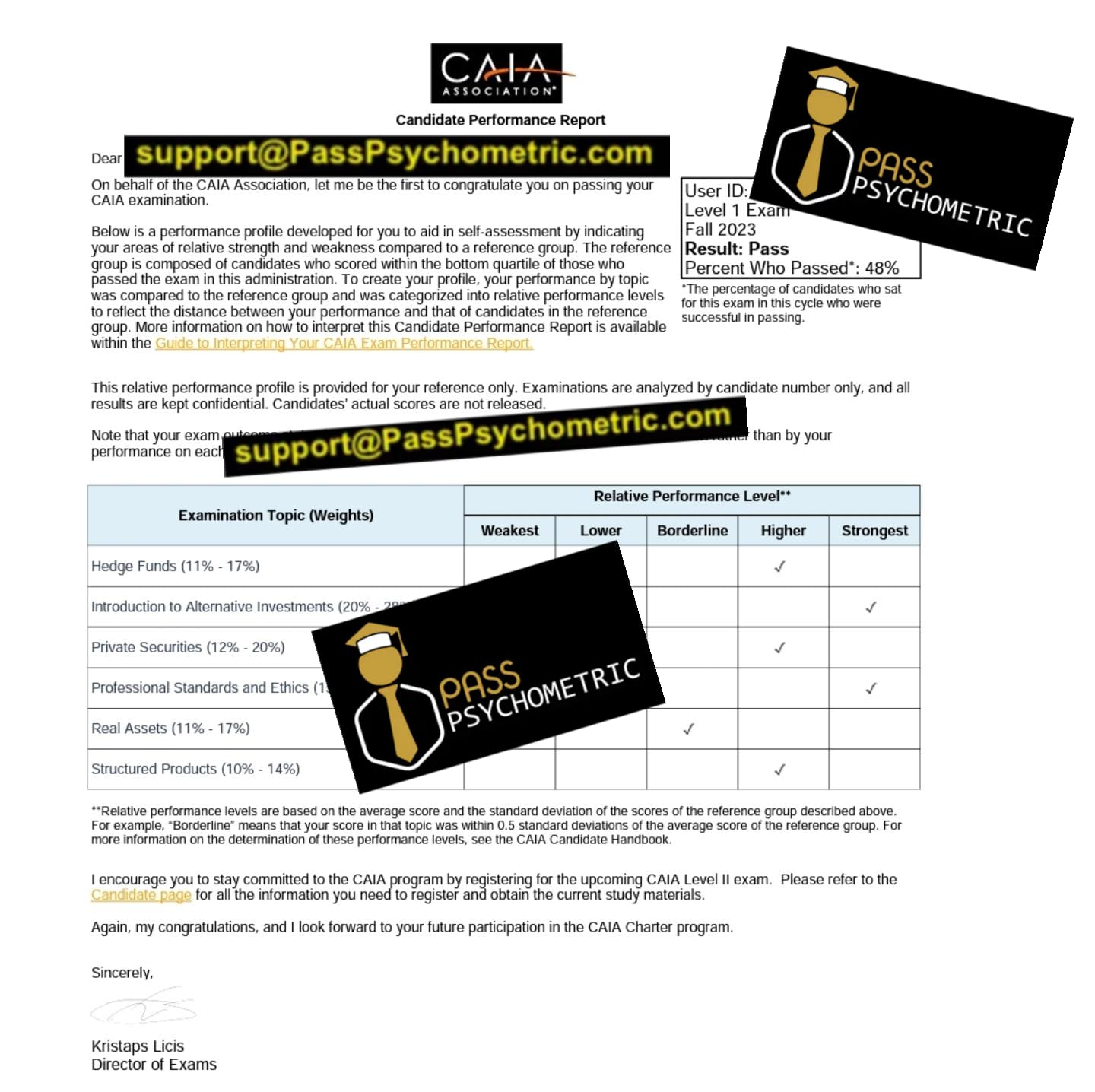
How to pass GMAT Quantitative (Math) Test? Can you fail the GMAT exam?
You Can Pay GMAT Experts To Help You Prepare For Your GMAT Math Exam With You From Your Computer!
How do you get a high score on the GMAT Quantitative (Math)?
When you get an exceptional GMAT Quantitative exam score, you are almost guaranteeing yourself an opportunity to secure the educational institution of your dreams. Life is very competitive: you must achieve in excess of 50 or 51 in GMAT Quantitative to truly stand out from the crowd. Simply email support@passpsychometric.com if you want us to guarantee you this! Your aim should be to score good sores in Verbal, Quantitative, and Analytical Writing (AW) sections. Below, are the steps on how to achieve the same.
Step 1 : Timetable is a must for high GMAT Quantitative (Math) Test score
Step 2: Collect as much GMAT Score Information as possible for a high GMAT Quantitative (Math) Score
Step 3: Compare Program Competitiveness for significant GMAT Quantitative (Math) Score
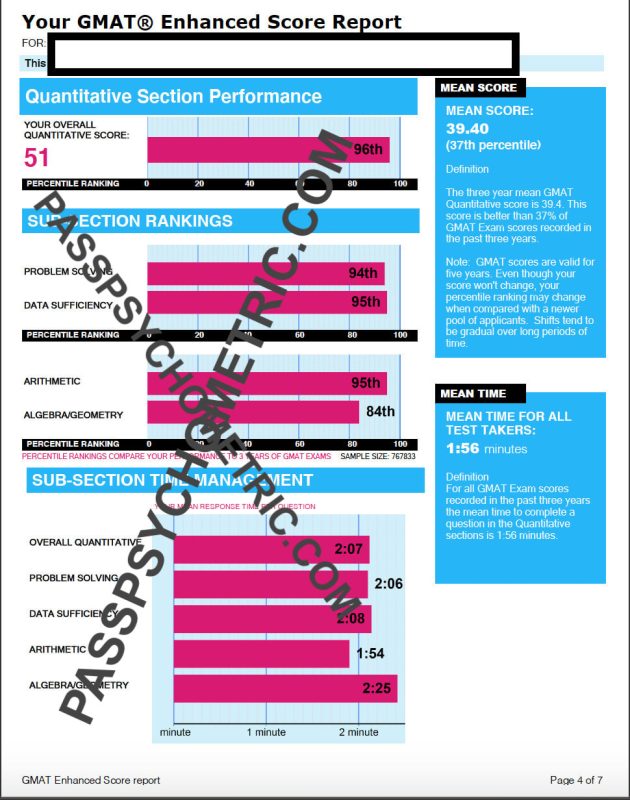
Extra Testimonials for PassPsychometric?
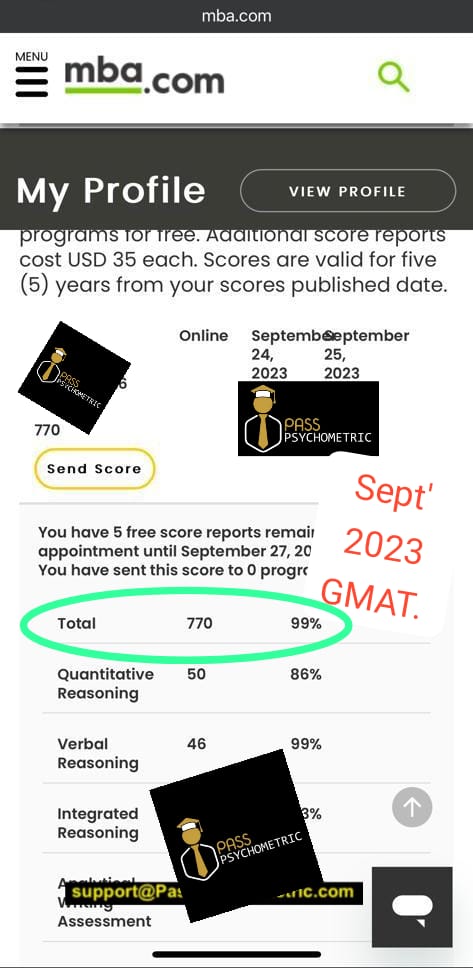


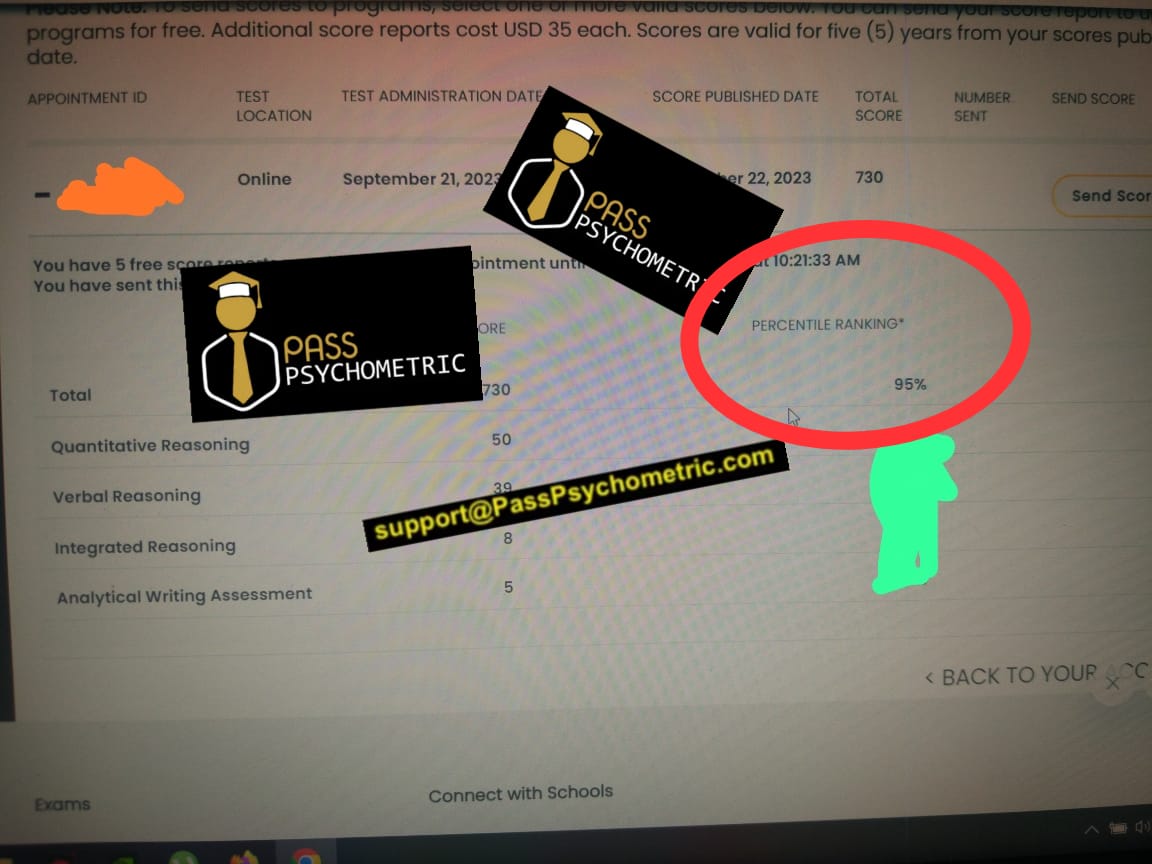
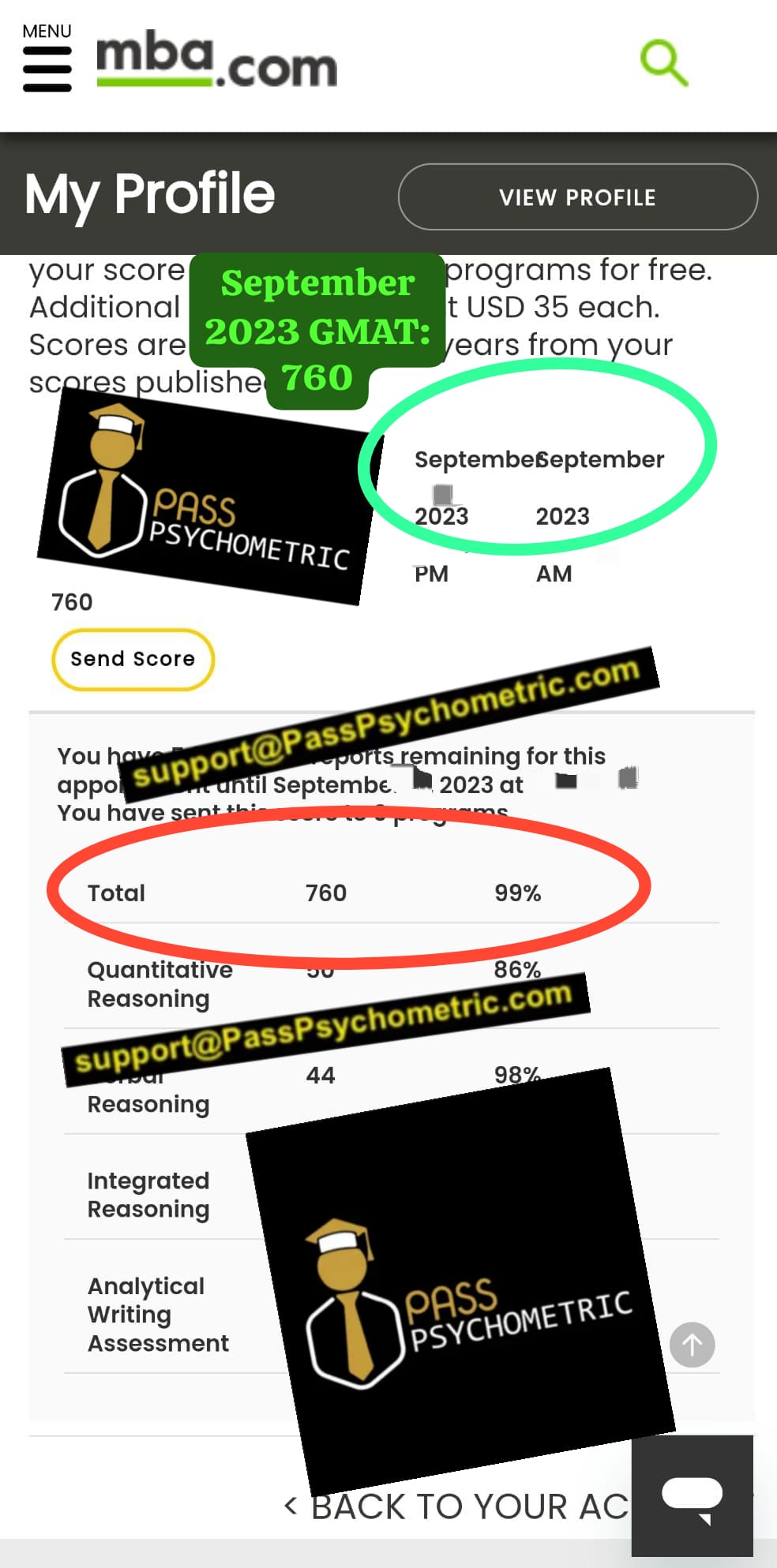













Sneaky Ways to Cheat on GMAT Quants
If you’re preparing for the GMAT Quants section and looking for an edge, you may have thought about finding ways to cheat. While cheating is not recommended and can have severe consequences, it’s essential to understand the structure and challenges of this section to improve your performance. In this article, we’ll explore various techniques and strategies to enhance your GMAT Quants skills without resorting to cheating.
Understanding the GMAT Quants Section
The GMAT Quants section is designed to assess your mathematical skills and problem-solving abilities. It consists of multiple-choice and data sufficiency questions that require a solid understanding of mathematical concepts, as well as the ability to analyze and interpret data quickly. To excel in this section, it's crucial to familiarize yourself with its structure and the common challenges you may encounter.
The GMAT Quants section is an essential part of the Graduate Management Admission Test (GMAT), a standardized exam used by business schools to evaluate applicants. This section aims to measure your quantitative reasoning abilities, which are crucial for success in a business environment. By testing your mathematical skills and problem-solving abilities, the GMAT Quants section provides admissions committees with valuable insights into your potential as a future business leader.
When tackling the GMAT Quants section, it's important to approach it with a strategic mindset. Understanding the structure of this section and being aware of the common challenges you may face can significantly improve your performance and increase your chances of achieving a high score.
The Structure of GMAT Quants
The GMAT Quants section is divided into two types of questions: problem-solving and data sufficiency. In the problem-solving questions, you'll be presented with a mathematical problem and have to select the correct answer from the given choices. These questions assess your ability to apply mathematical concepts and solve problems using logical reasoning.
Data sufficiency questions, on the other hand, require you to evaluate two statements and determine whether the data provided is sufficient to answer the question. These questions assess your ability to analyze information and make decisions based on limited data. Mastering both types of questions is essential for achieving a high score in the GMAT Quants section.
Each question in the GMAT Quants section is worth the same number of points, so it's important to manage your time effectively. You'll have approximately 62 minutes to complete 31 questions, which means you should aim to spend around two minutes per question. However, it's important to note that some questions may require more time than others, so it's crucial to prioritize and allocate your time wisely.
Common Challenges in GMAT Quants
Many test takers struggle with time management, prioritization, and deciphering tricky questions in the GMAT Quants section. Time management is a common challenge because the section is timed, and you need to answer all the questions within the given time frame. Prioritization is also crucial because some questions may be more difficult than others, and spending too much time on a single question can negatively impact your overall performance.
Deciphering tricky questions is another challenge that test takers often face. The GMAT Quants section is designed to assess your ability to think critically and solve complex problems, so it's not uncommon to encounter questions that require careful analysis and logical reasoning. Developing strategies to identify and approach these tricky questions can significantly improve your performance in this section.
One effective strategy is to practice regularly with GMAT Quants practice questions. By exposing yourself to a variety of question types and difficulty levels, you can become more familiar with the types of challenges you may encounter on the actual exam. Additionally, seeking guidance from GMAT tutors or joining study groups can provide valuable insights and strategies for tackling the GMAT Quants section.
Overall, the GMAT Quants section is a crucial component of the GMAT exam, and understanding its structure and common challenges is essential for achieving a high score. By familiarizing yourself with the different question types, managing your time effectively, and developing strategies to tackle tricky questions, you can improve your performance and increase your chances of gaining admission to your desired business school.
Prepare for the GRE Quantitative Test
Preparing for the GRE Quantitative section requires a combination of content knowledge, problem-solving strategies, and time management skills. You must familiarize yourself with various mathematical concepts, practice solving different types of problems, and develop a systematic approach to tackle the questions within the given time constraints. Additionally, it is crucial to practice using official GRE practice materials and take full-length practice tests to simulate the test-day experience. This will help you identify your strengths and weaknesses, refine your test-taking strategies, and build your confidence. Remember, the GRE Quantitative section is not just a test of your mathematical abilities. It is an opportunity to showcase your analytical thinking, logical reasoning, and problem-solving skills. With proper preparation and a strategic approach, you can excel in this section and achieve your desired GRE score.
1
The Art of Guessing
The Role of Probability in Guessing:
Guessing is an essential skill when tackling the GMAT Quants section. While it may sound counterintuitive to guess on a standardized test, there are educated guessing techniques that can increase your chances of getting the answer right. Understanding the role of probability in guessing and utilizing the answer choices effectively can significantly improve your accuracy. When it comes to educated guessing techniques, there are several strategies you can employ. One technique is to eliminate obviously incorrect choices. By carefully analyzing the question and the answer options, you can often identify choices that are clearly incorrect. This process of elimination allows you to narrow down the possibilities and make a more educated guess.
2
Time Management Strategies
3
Utilizing the Answer Choices
Mastering Data Sufficiency Questions
Deciphering Tricky Data Sufficiency Questions
Avoiding Common Traps in Data Sufficiency
Preparing for the GRE Quants
Identifying Your Weaknesses:
Before diving into the cheating strategies, it is essential to identify your weaknesses in the Quants section. Take several practice tests, analyze your performance, and identify the types of questions or topics that challenge you the most. This will help you focus your cheating efforts on the areas that need the most improvement.
When analyzing your performance, pay attention to the specific concepts and skills that you struggle with. Is it algebraic equations, geometry, or data interpretation? Understanding your weaknesses will allow you to tailor your cheating strategies to address these specific areas.
Time-management is most GMAT Test Takers key weakness. Remember to allocate time for regular review of the concepts you have learned. This will reinforce your understanding and help you retain information for the long term. Lastly, don't forget to take breaks and give yourself time to rest. Studying for the GRE Quantitative can be mentally exhausting, and taking breaks will prevent burnout and improve your overall productivity.
Creating a Study Plan:
While cheating can improve your scores, it should not replace proper preparation. Develop a study plan that includes regular practice, review of GMAT Quantitative concepts, and targeted learning activities. Combining cheating strategies with a solid study plan will give you the best chance of success.
Start by setting specific goals for each study session. For example, dedicate one session to mastering algebraic equations and another session to improving your data interpretation skills. Breaking down your study plan into smaller, manageable tasks will help you stay focused and motivated.
Additionally, consider incorporating different study techniques into your plan. Some people find that working through practice problems with a study group helps them understand concepts better, while others prefer studying alone. Experiment with different methods to find what works best for you.
Tips on How to Pass the GMAT Quantitative (Math)
You need to know your baseline score so that you can pay someone to do GMAT Verbal Reasoning Exam and obtain the score you need.
Make a study plan that you will be interested to follow
Get well acquainted with the GMAT Quantitative Test format so that you know what to expect from PassPsychometric when you pay to pass your Proctored exam.
Always review the basic content of the subject matter that you are interested in. Alternatively if you have limited time, you can pay someone to do Proctored exams also
Rely on high quality study materials – passpsychometric.com can provide EXACT GMAT styled material and questions/solutions
Pay attention to the areas (e.g. Verbal, Quant or Analytical Writing) where you are weak. You can work on these areas to improve yourself or hire services to cheat on GRE exams
Opt for practice tests to improve your performance or pay PassPsychometric to get EXACT GMAT Quantitative Reasoning Questions and Answers
Choose strategies that will work for you or pay someone to do GMAT exam.
Conclusion to Cheat on GMAT Quantitative Test
Success Stories
What Our Clients Say
O
GMAT QUANTS EXAM
Oxford University
S
GMAT QUANTS EXAM
Stanford University
M
GMAT QUANTS EXAM
MIT University
Get expert tips, free resources, and the latest psychometric test updates delivered straight to your inbox.